SERIES I / COMPOSITIONS
The Geometry of Silence
An exploration of scale, shadow, and negative space through a sequence of architectural encounters. Each frame captures the quiet dialogue between raw material and temporal light.
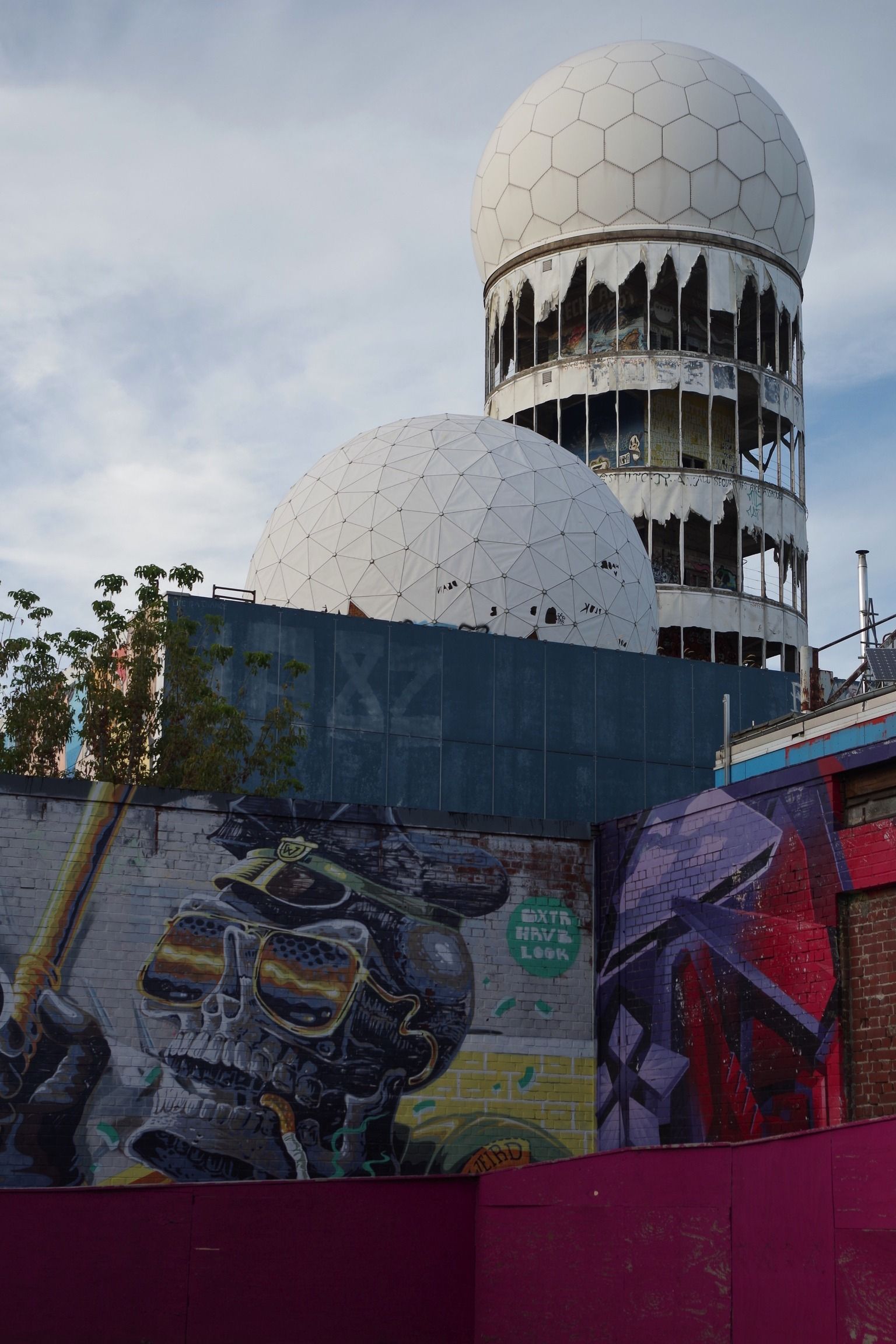
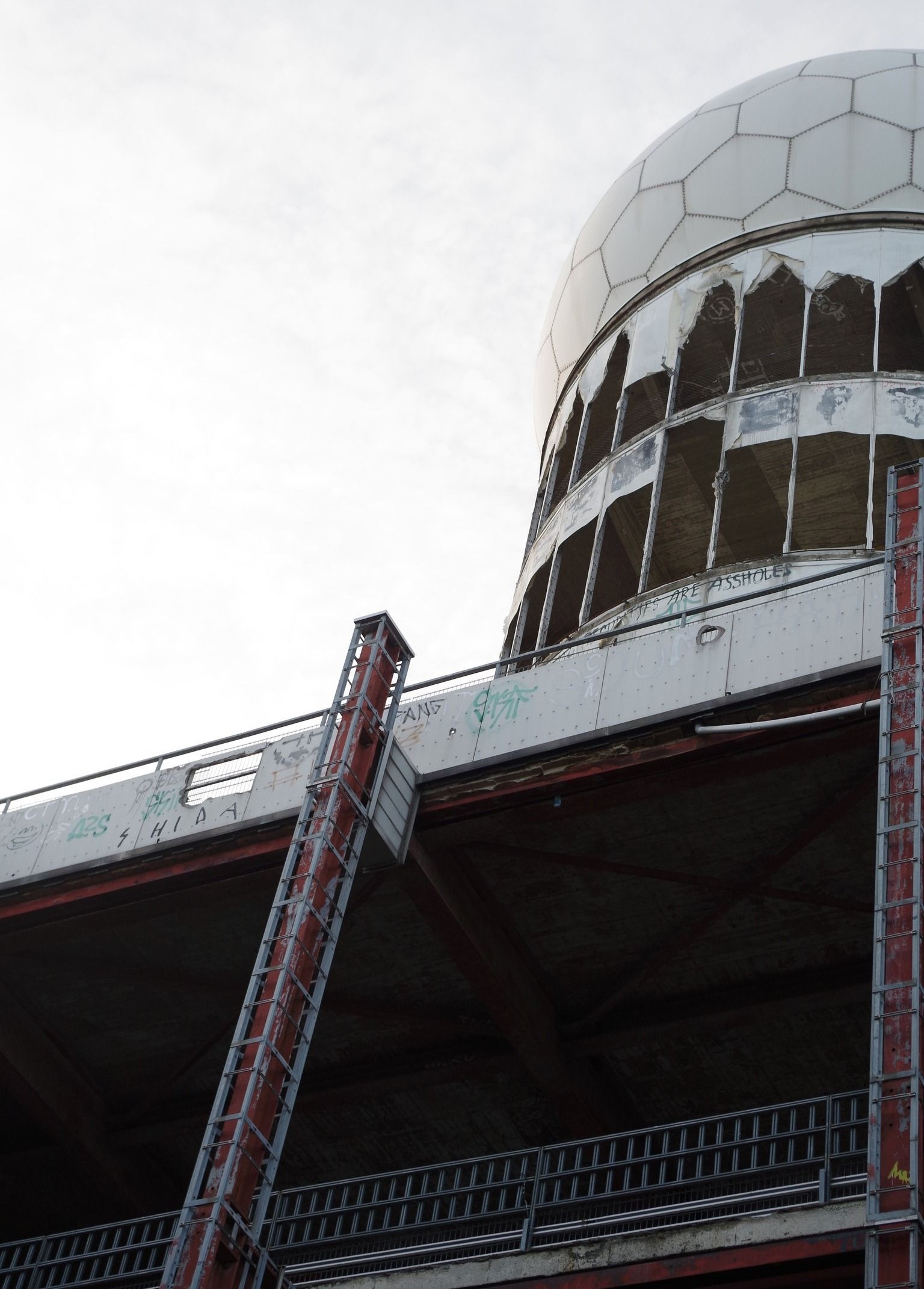
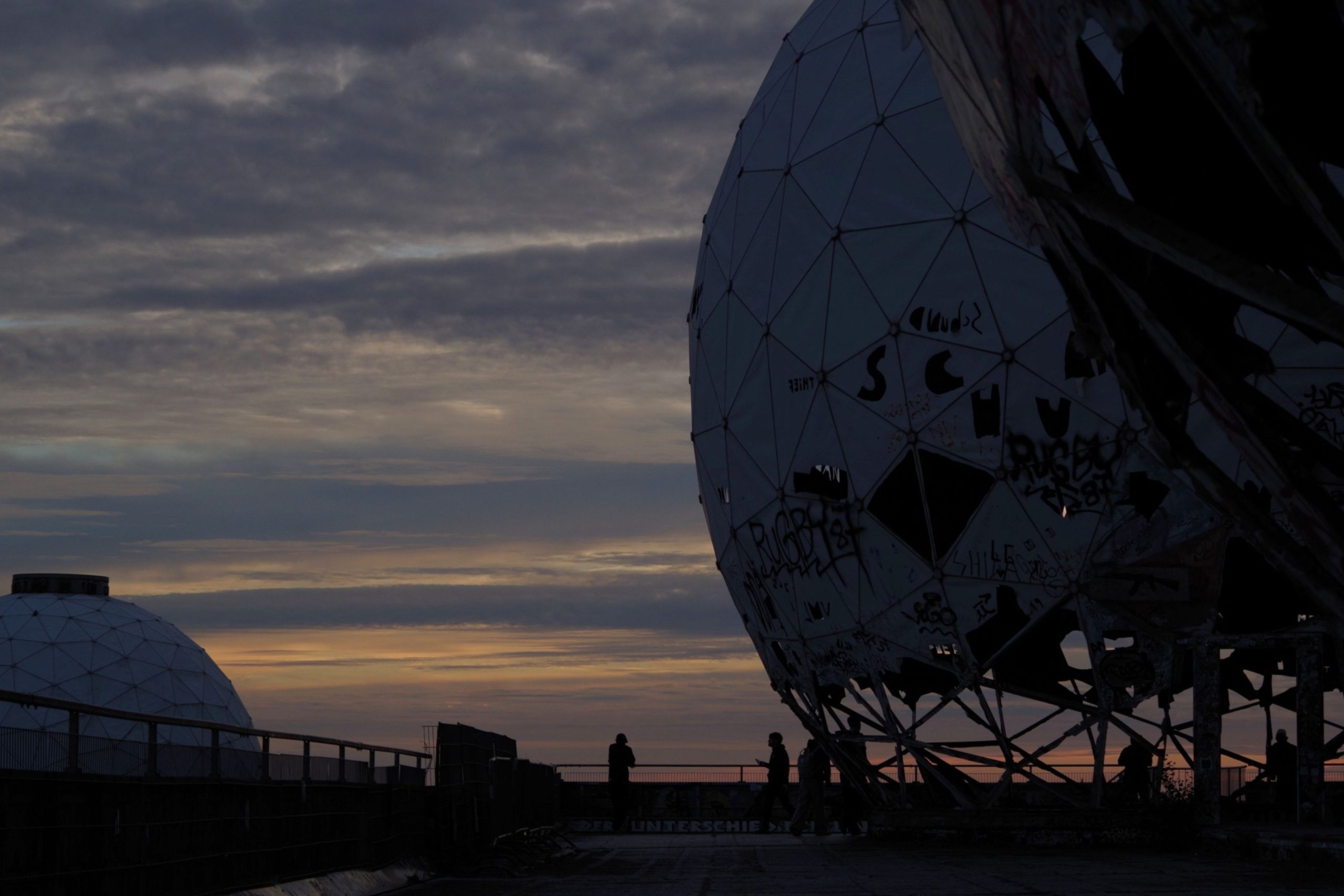
Built on the rubble of a devastated city, Teufelsberg became one of the Cold War's most unusual listening posts. Today, its abandoned radar domes stand above Berlin's Grunewald, their surfaces marked by decades of decay and layers of graffiti.
An exploration of scale, shadow, and negative space through a sequence of architectural encounters. Each frame captures the quiet dialogue between raw material and temporal light.
An exploration of scale, shadow, and negative space through a sequence of architectural encounters. Each frame captures the quiet dialogue between raw material and temporal light.

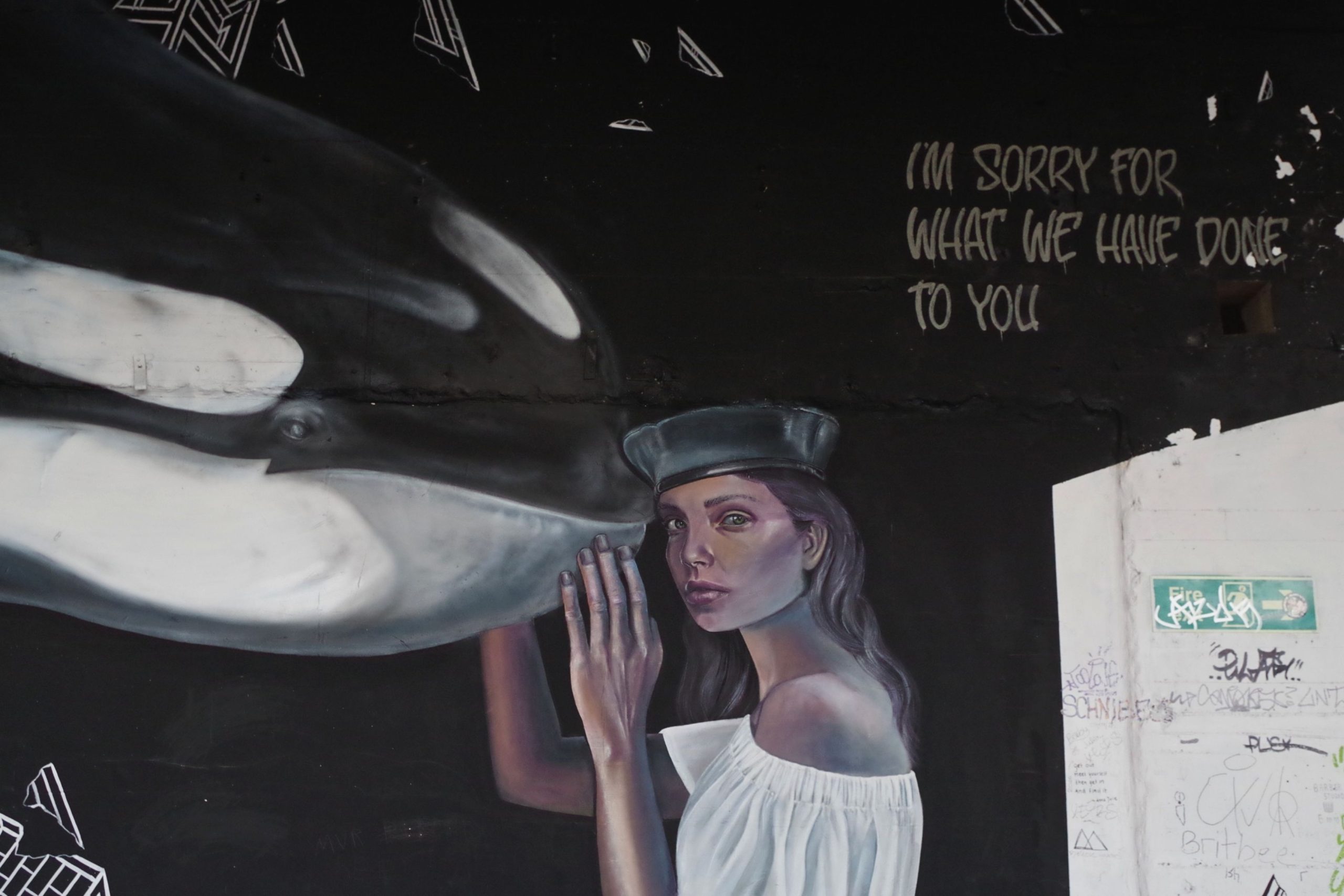
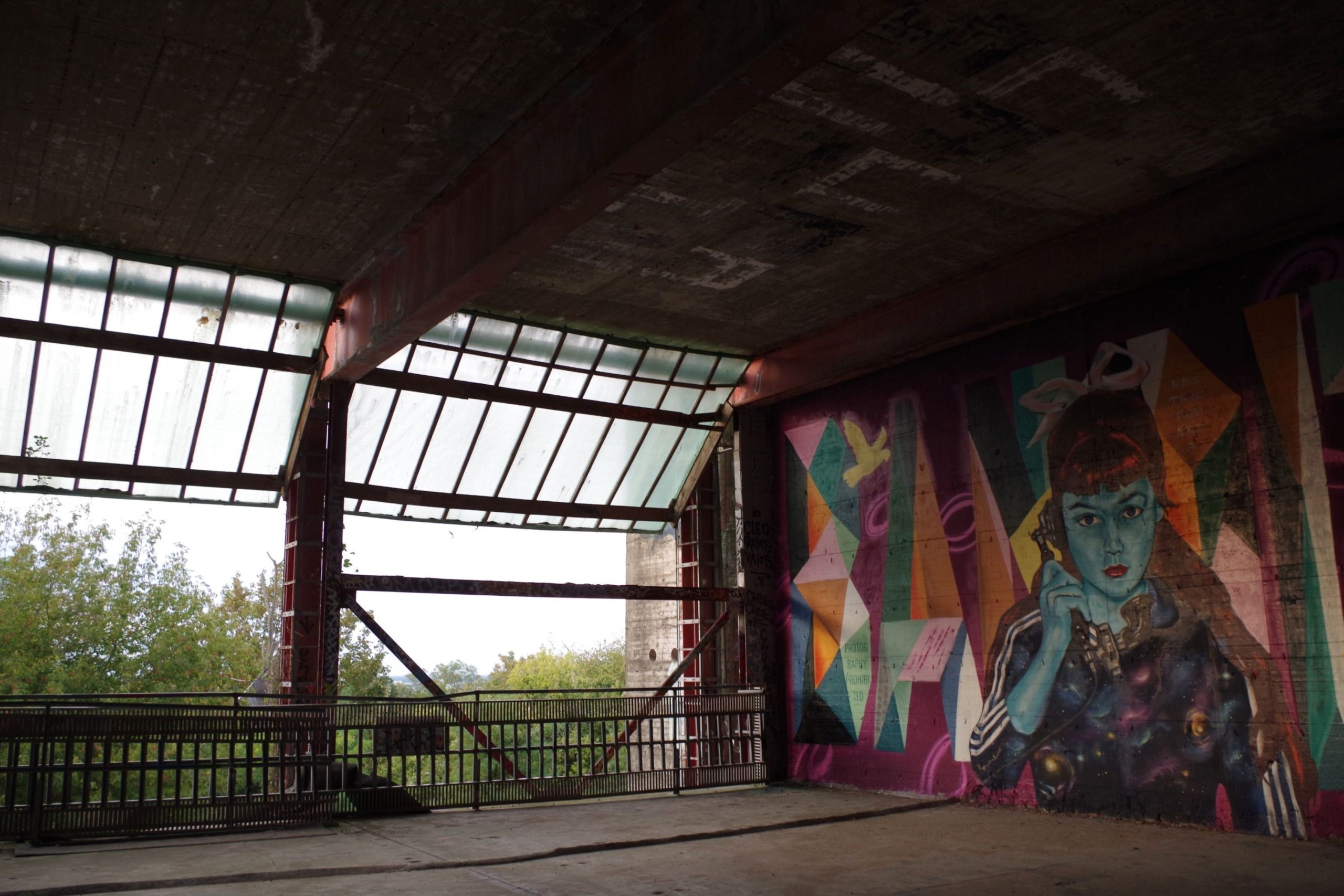
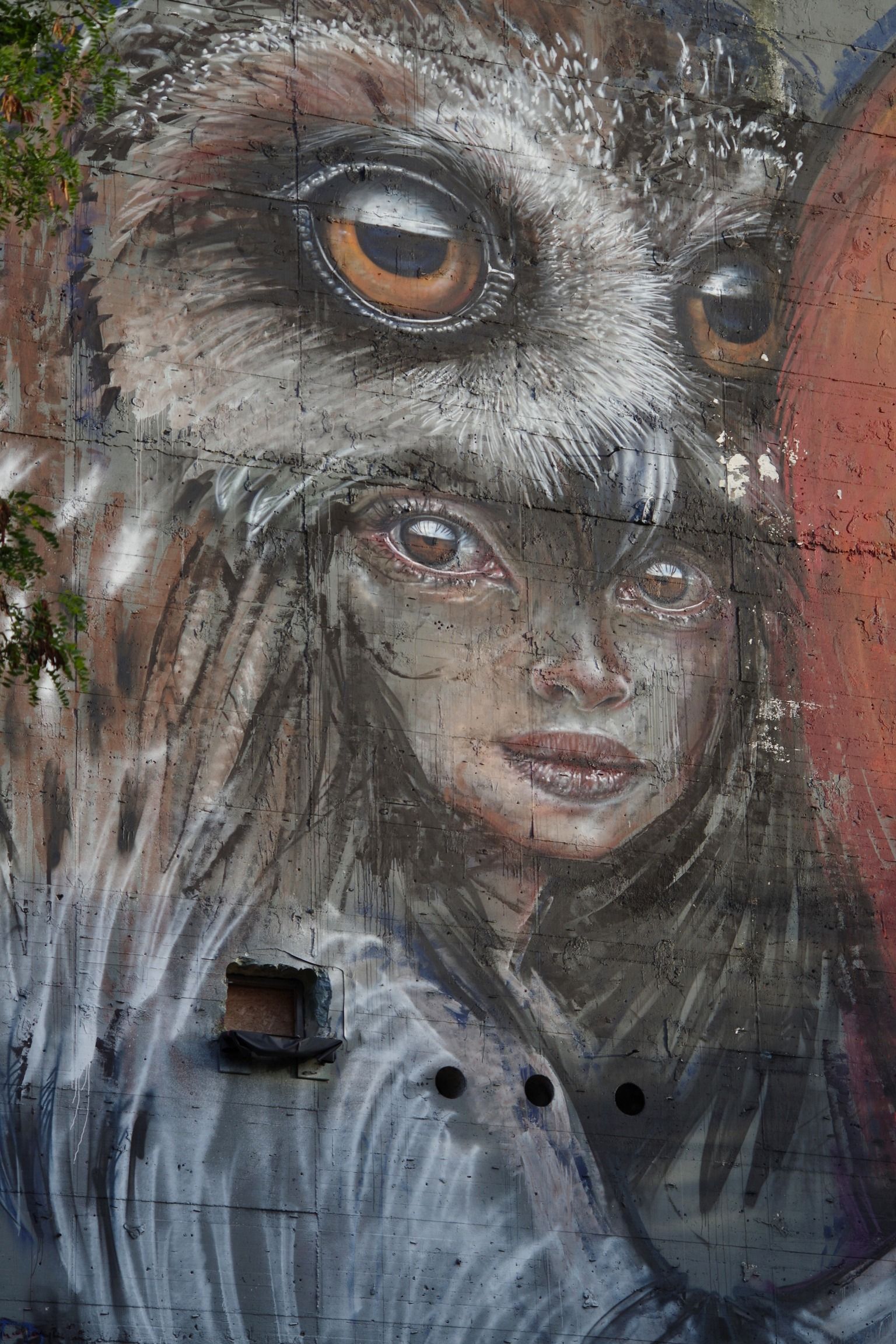
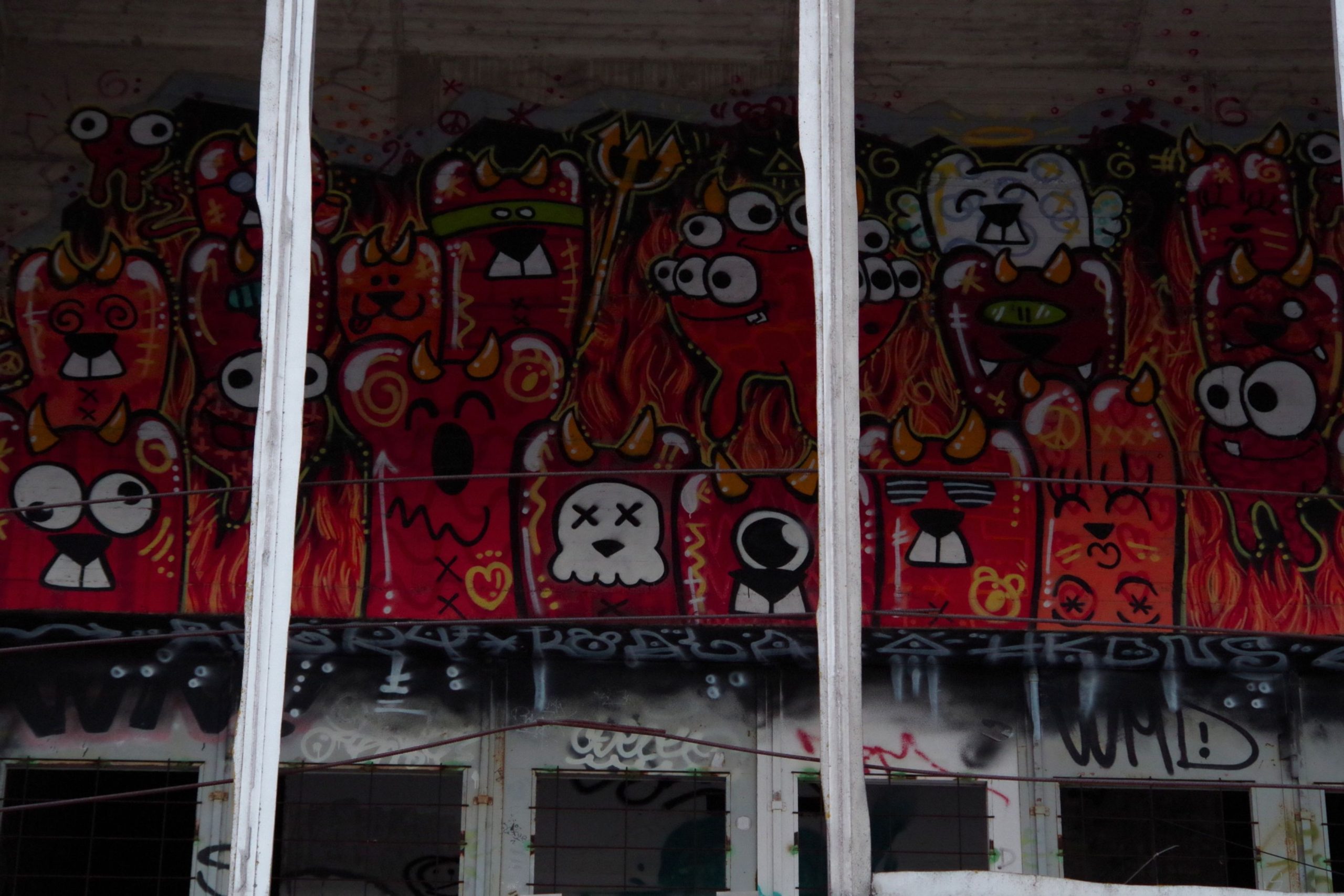
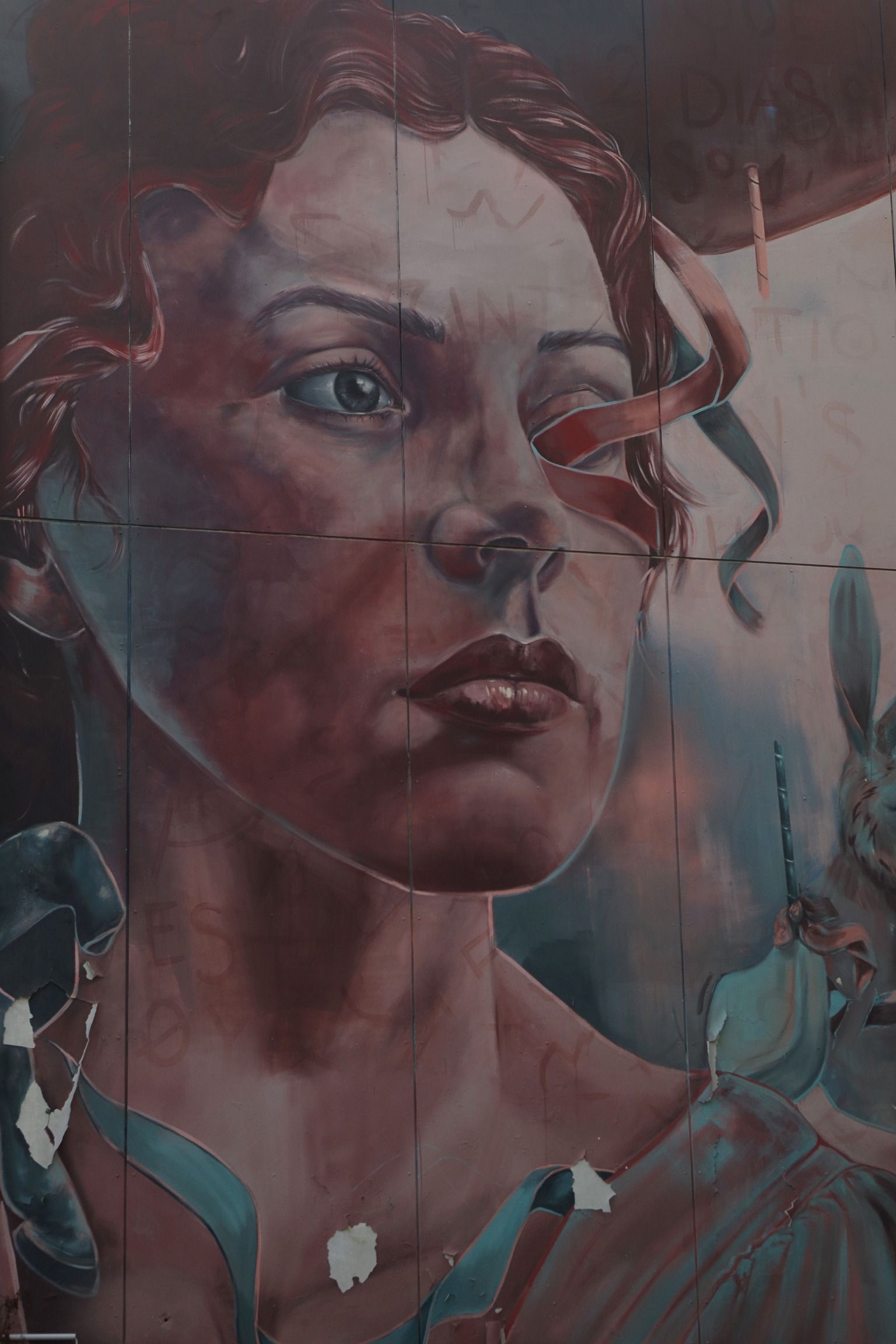
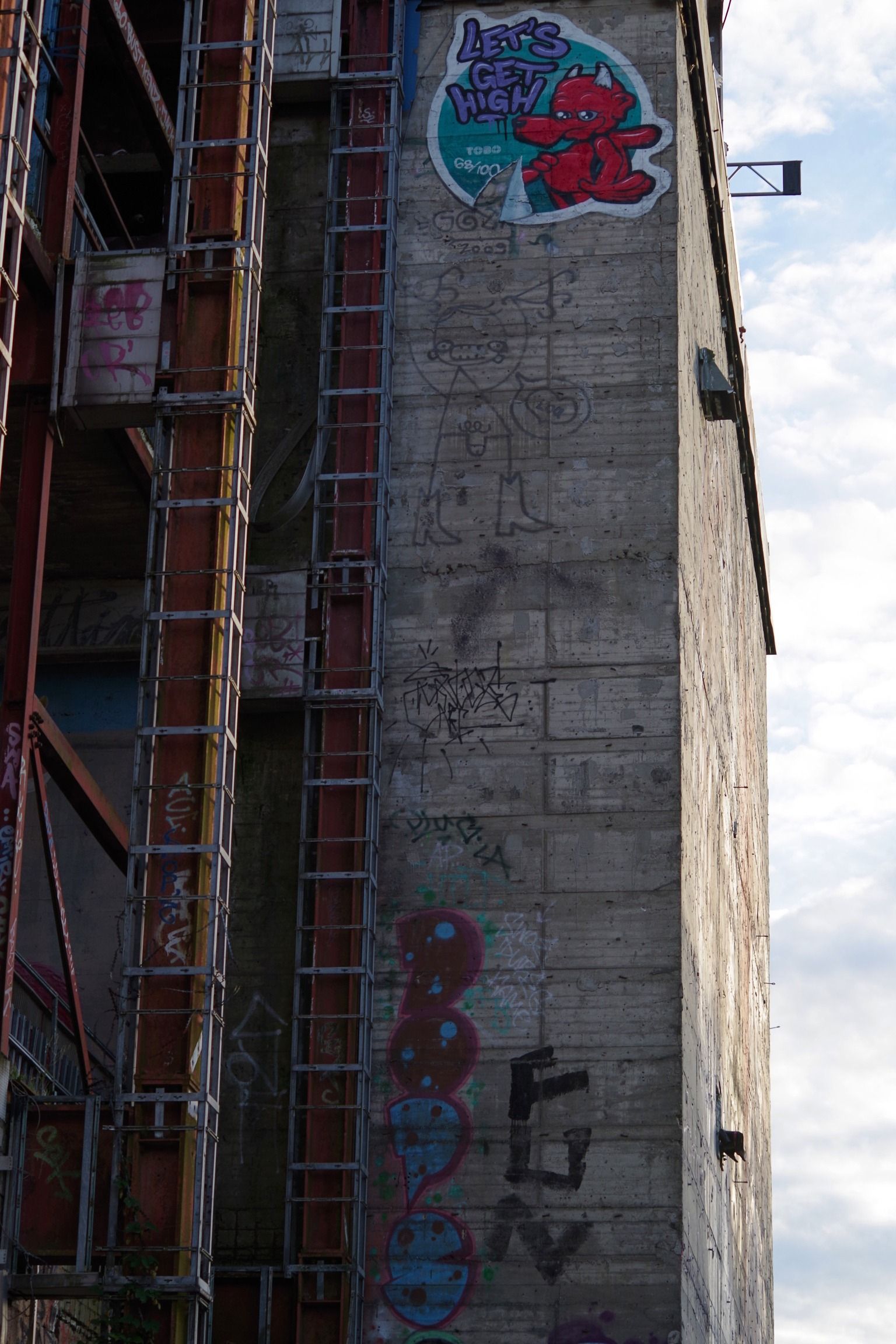
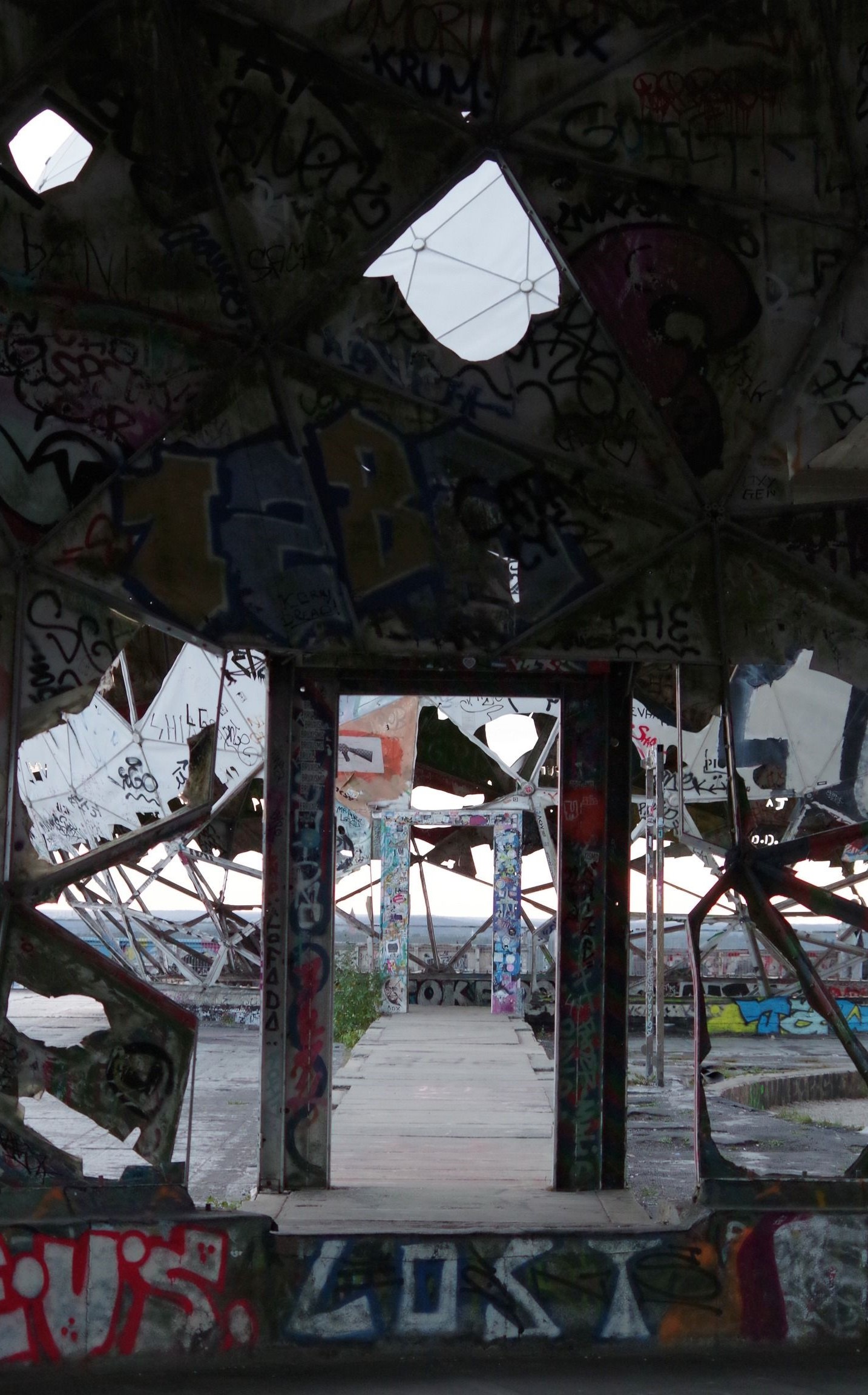
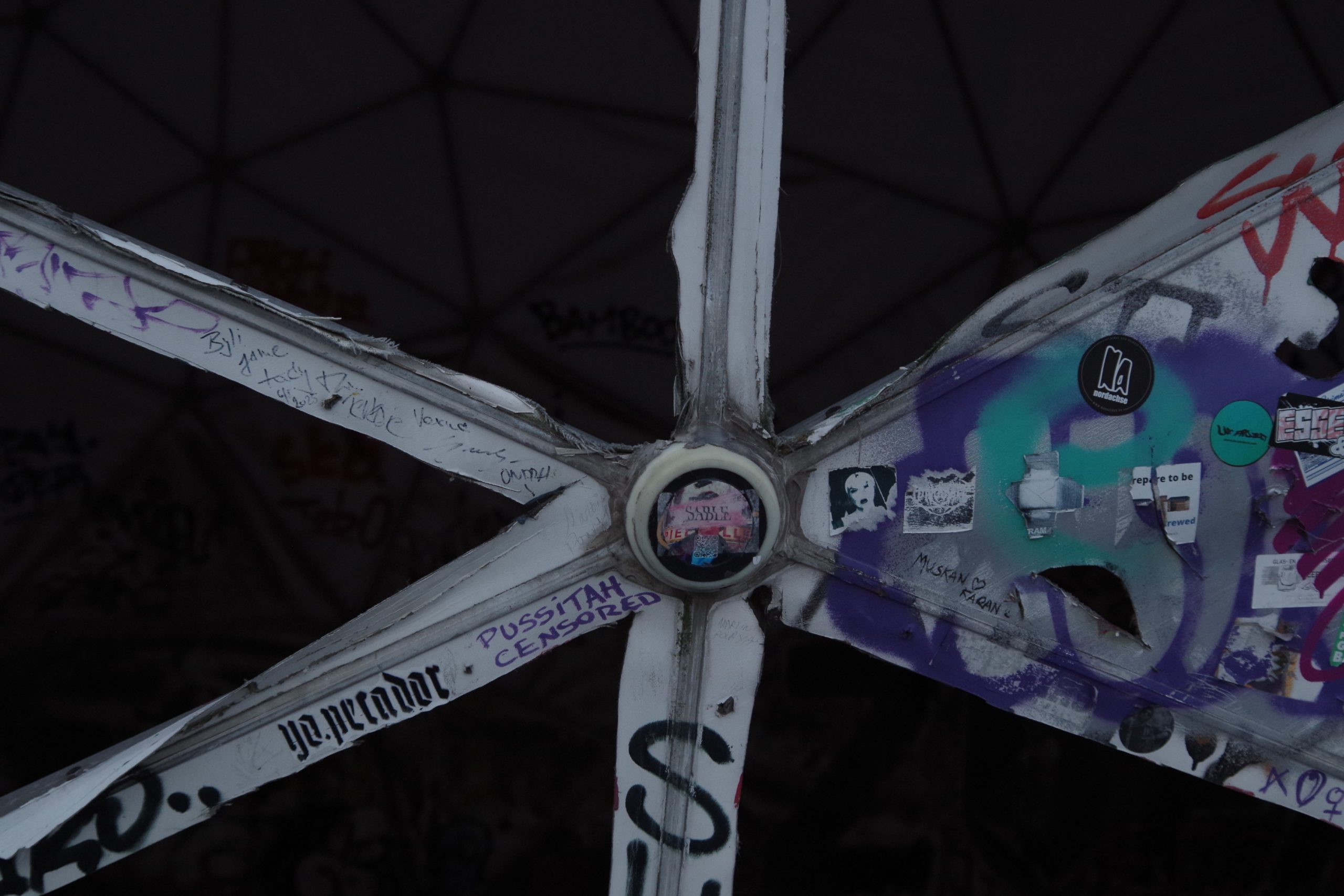
Everywhere, new images cover old surfaces. Faces emerge from concrete walls, colours collide, words overlap. Some paintings are carefully composed, others seem almost accidental. Layers accumulate, leaving traces of the countless people who have passed through. And beneath it all, the building continues to decay.
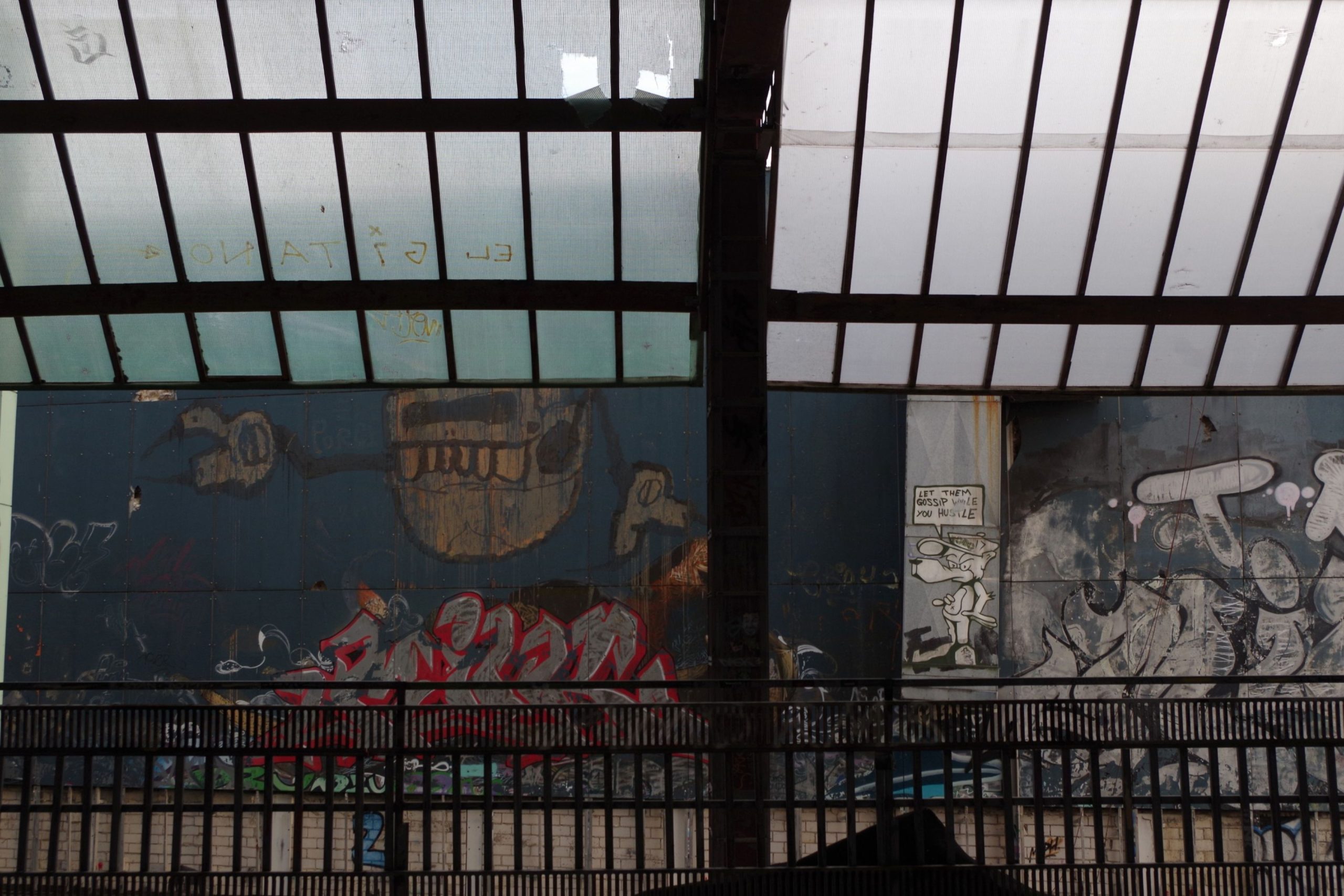
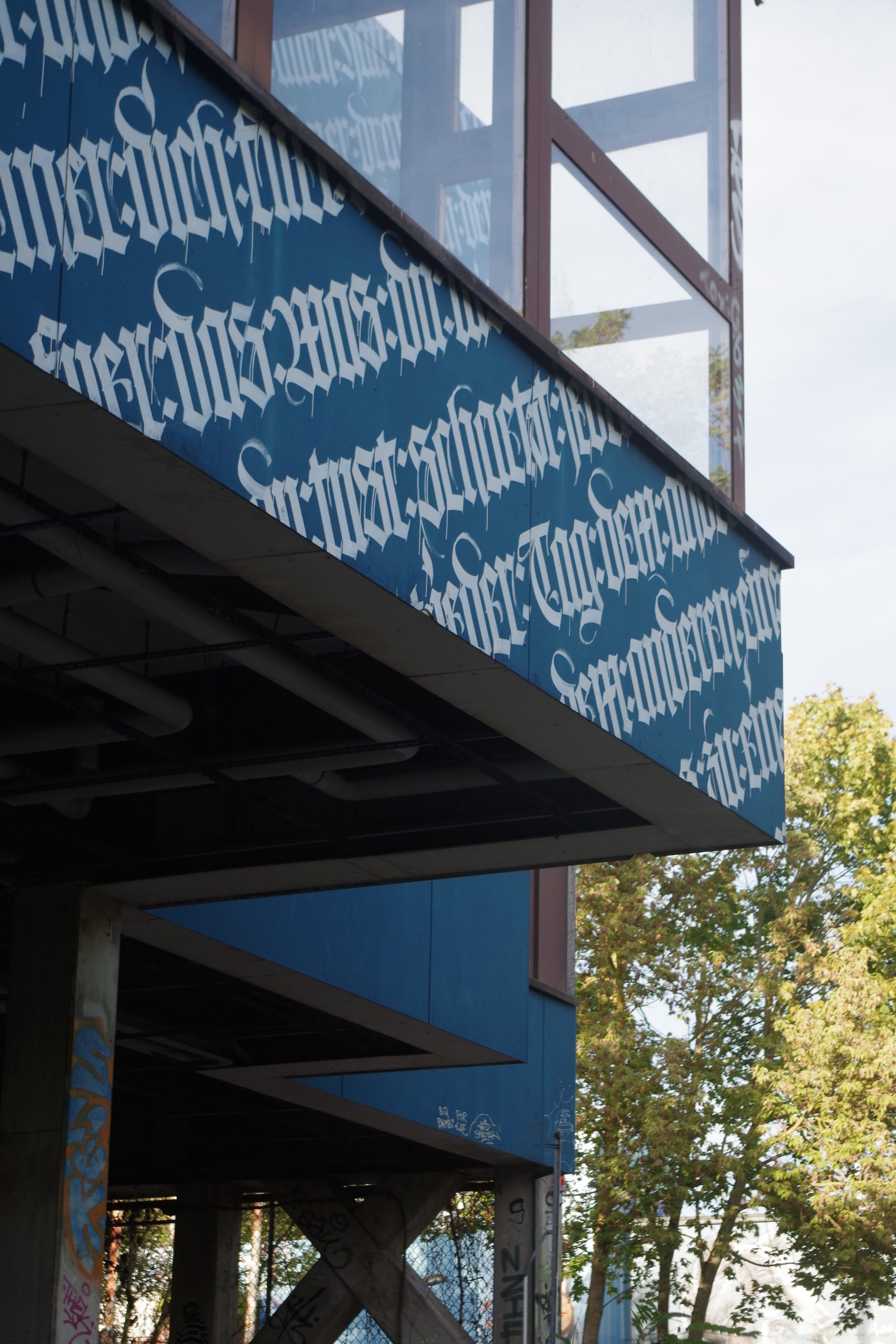
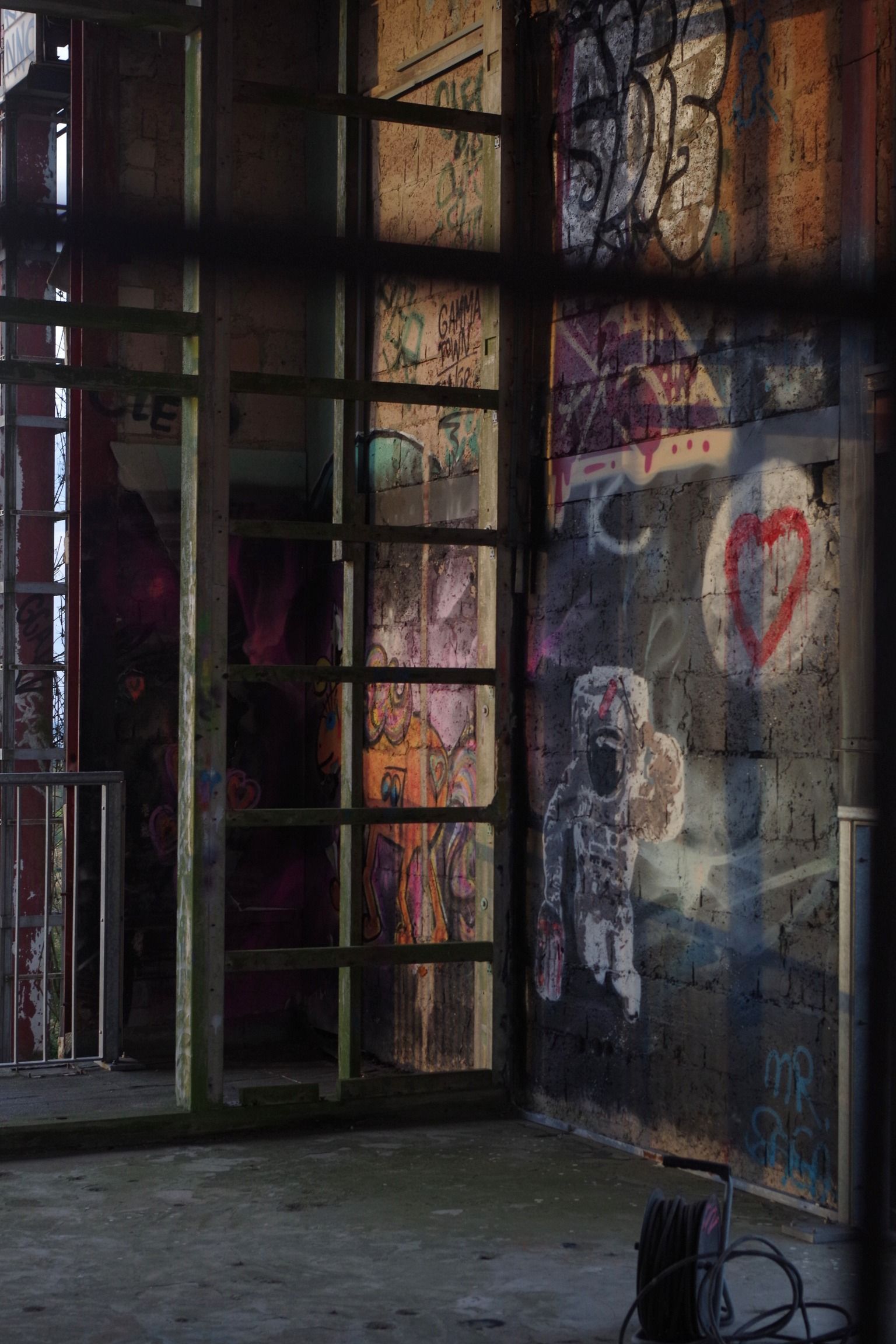
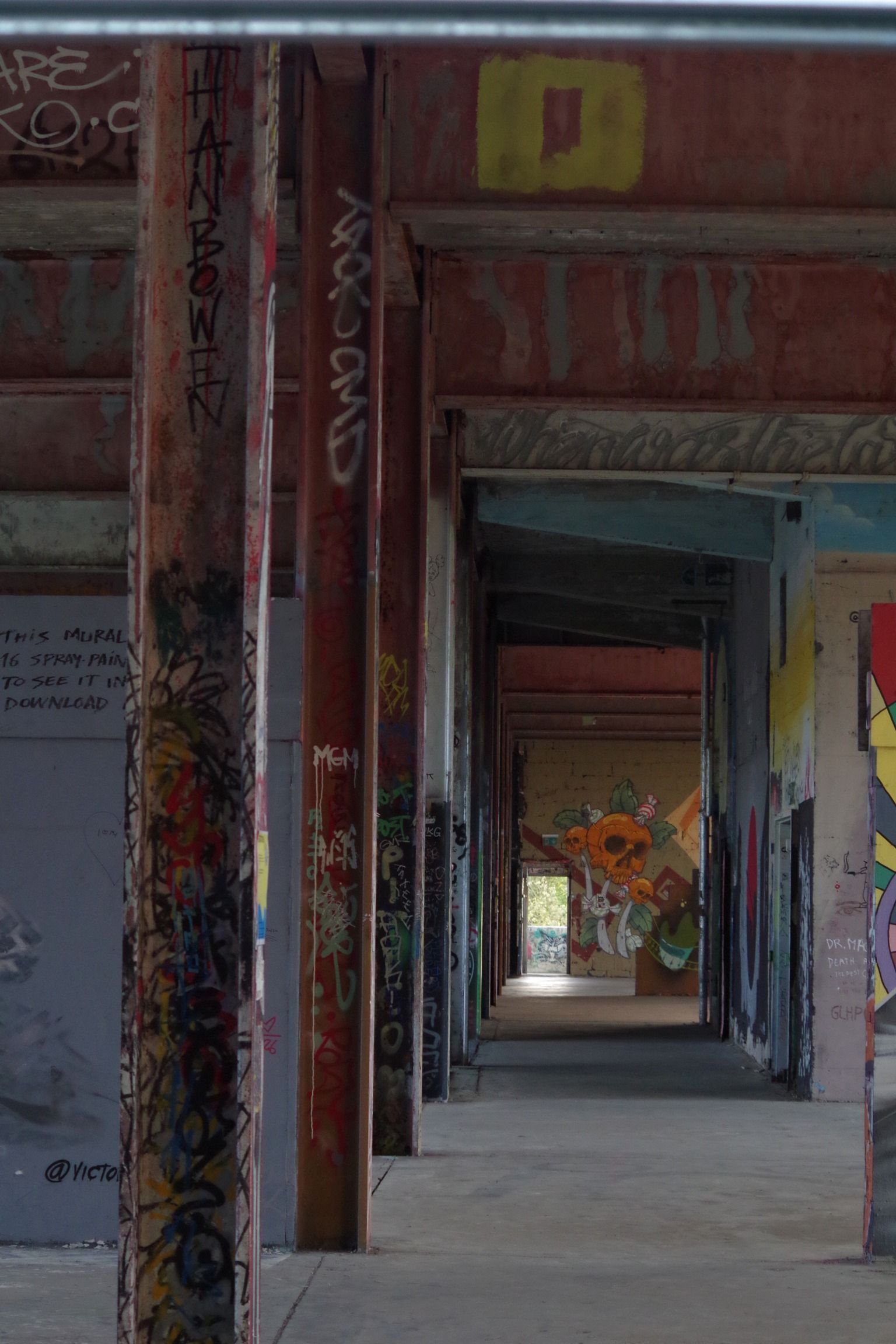
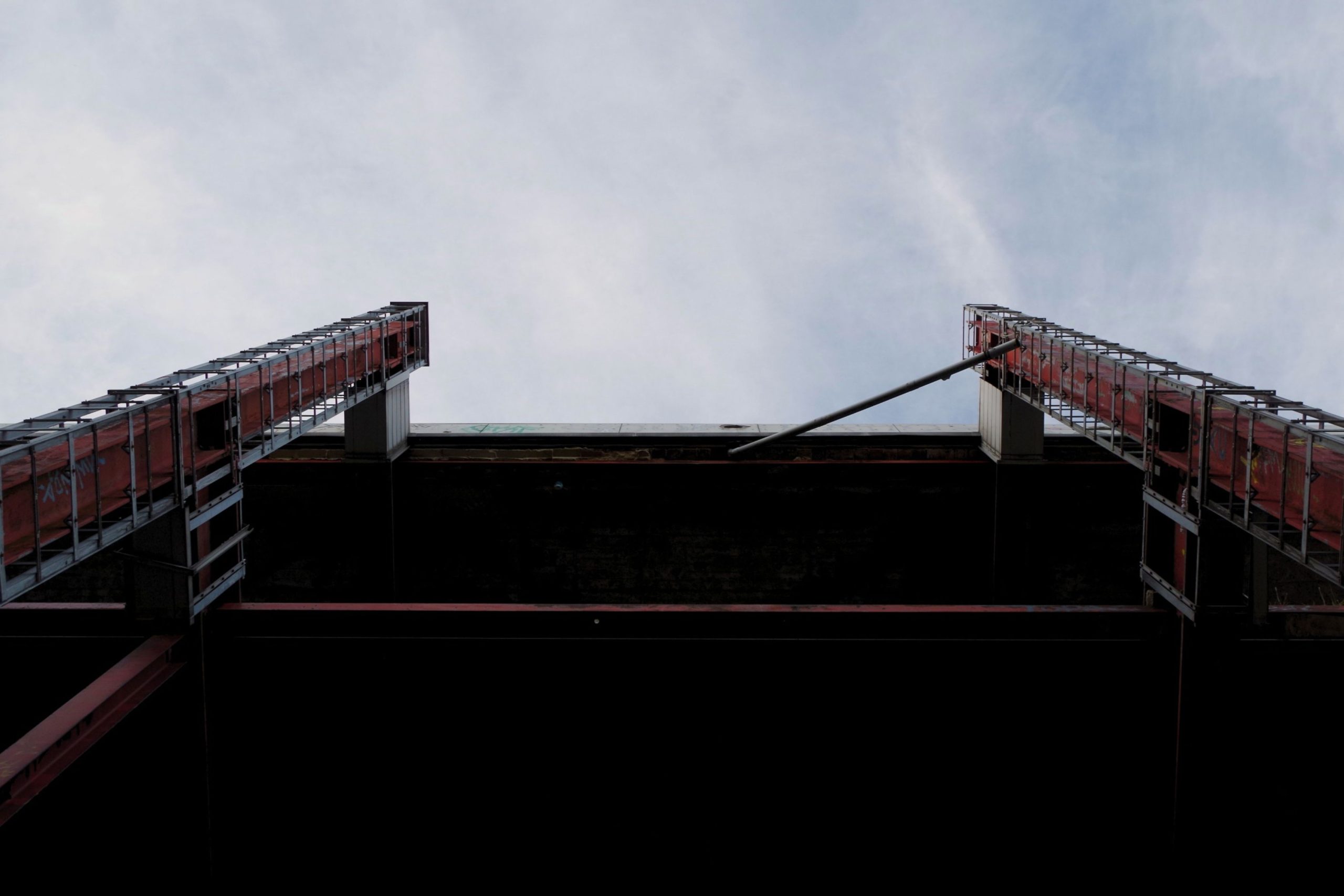
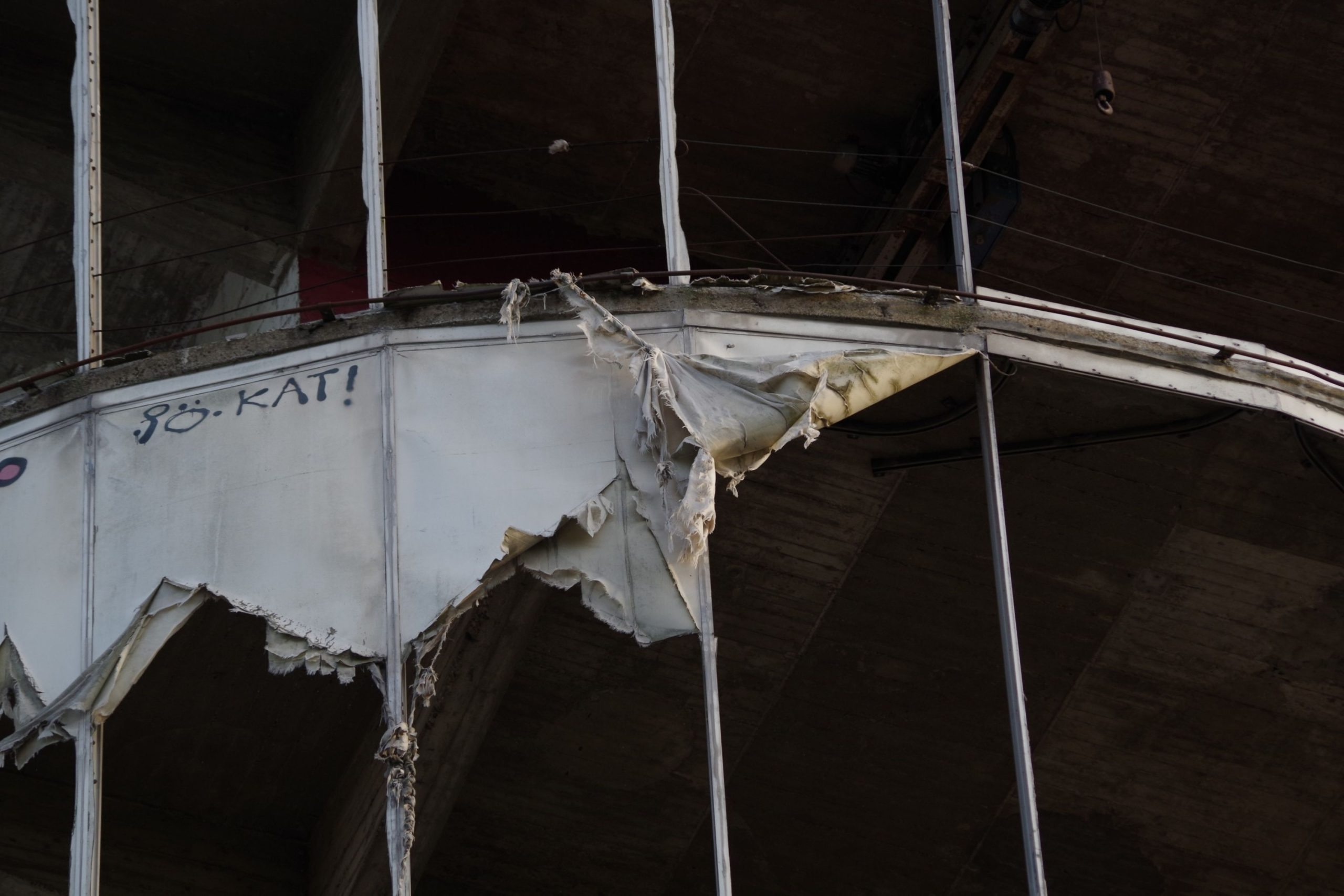
Higher up, the walls give way to open space. Torn fabric hangs from skeletal frames, and through the gaps, the sky appears in fragments. The boundaries between inside and outside begin to dissolve. What once enclosed the machinery of surveillance has become a maze of exposed structures, shifting light and shadows.
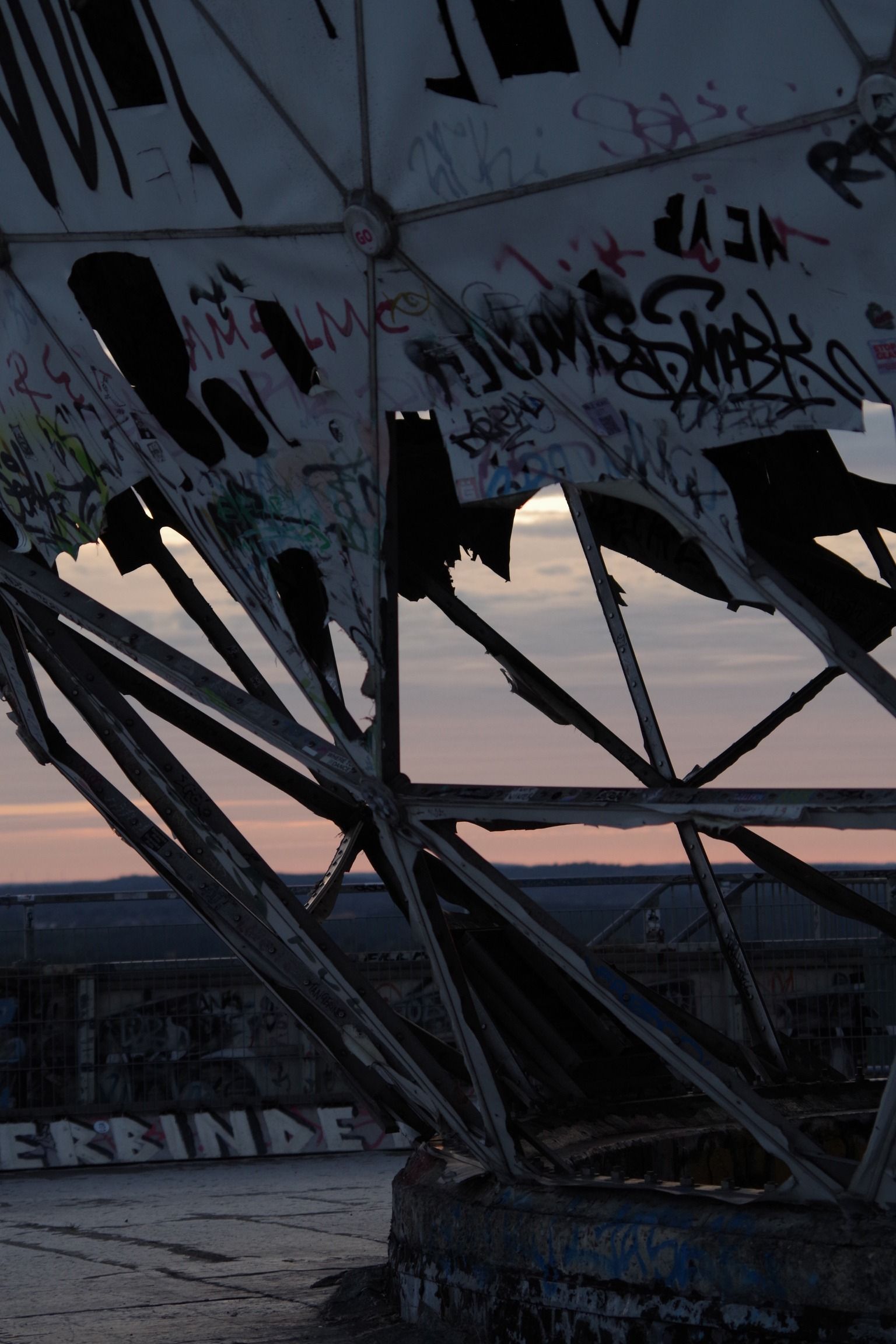
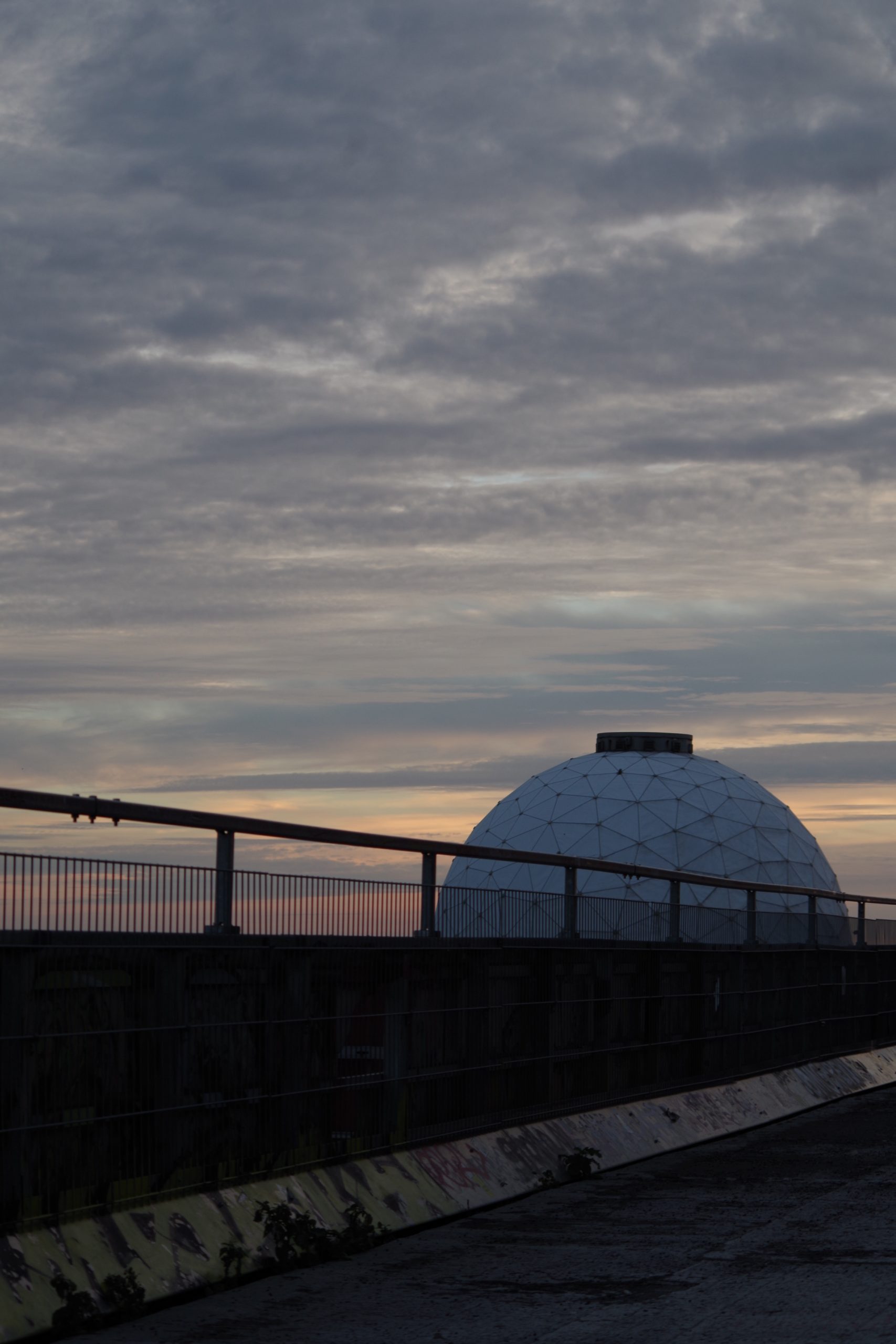
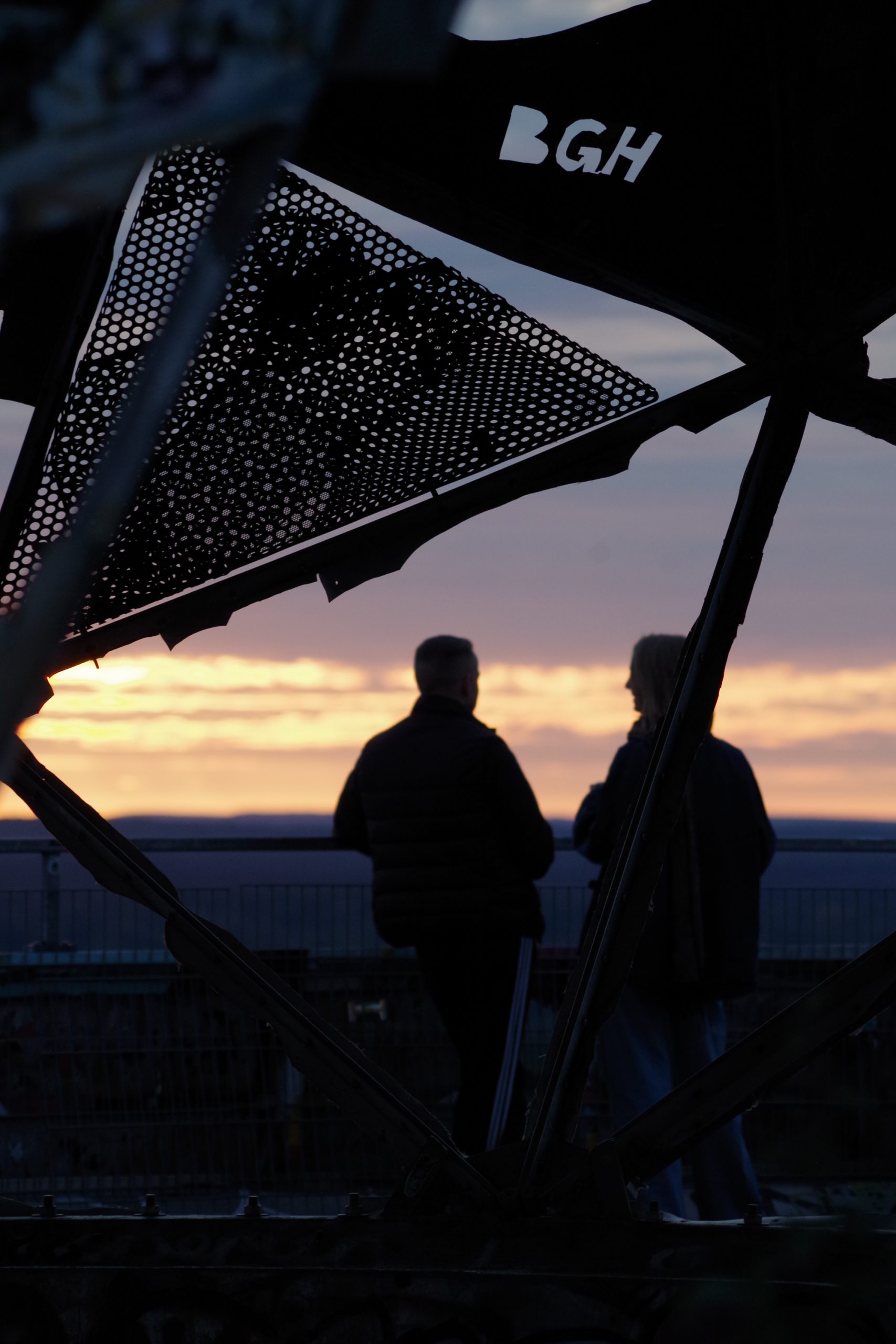
The light is fading. A cold wind sweeps across the exposed platform. The colours of the day slowly dissolve into shades of blue and grey. Far below, Berlin stretches towards the horizon. Up here, the last visitors linger, reluctant to leave as darkness settles over the ruins.